With the holidays upon us, beverage manufacturers have already stocked store shelves with our seasonal favorites. If you venture into the dairy section this time of year, then it's likely that you'll find a wall full of variations on the season's most iconic drink — eggnog. But what exactly is this beverage, and how did it become one of the most famous holiday treats? With National Eggnog Day on December 24th, the Flavorman's Beverage Architects are answering all your burning questions about ‘nog!
What is Eggnog Made Of?
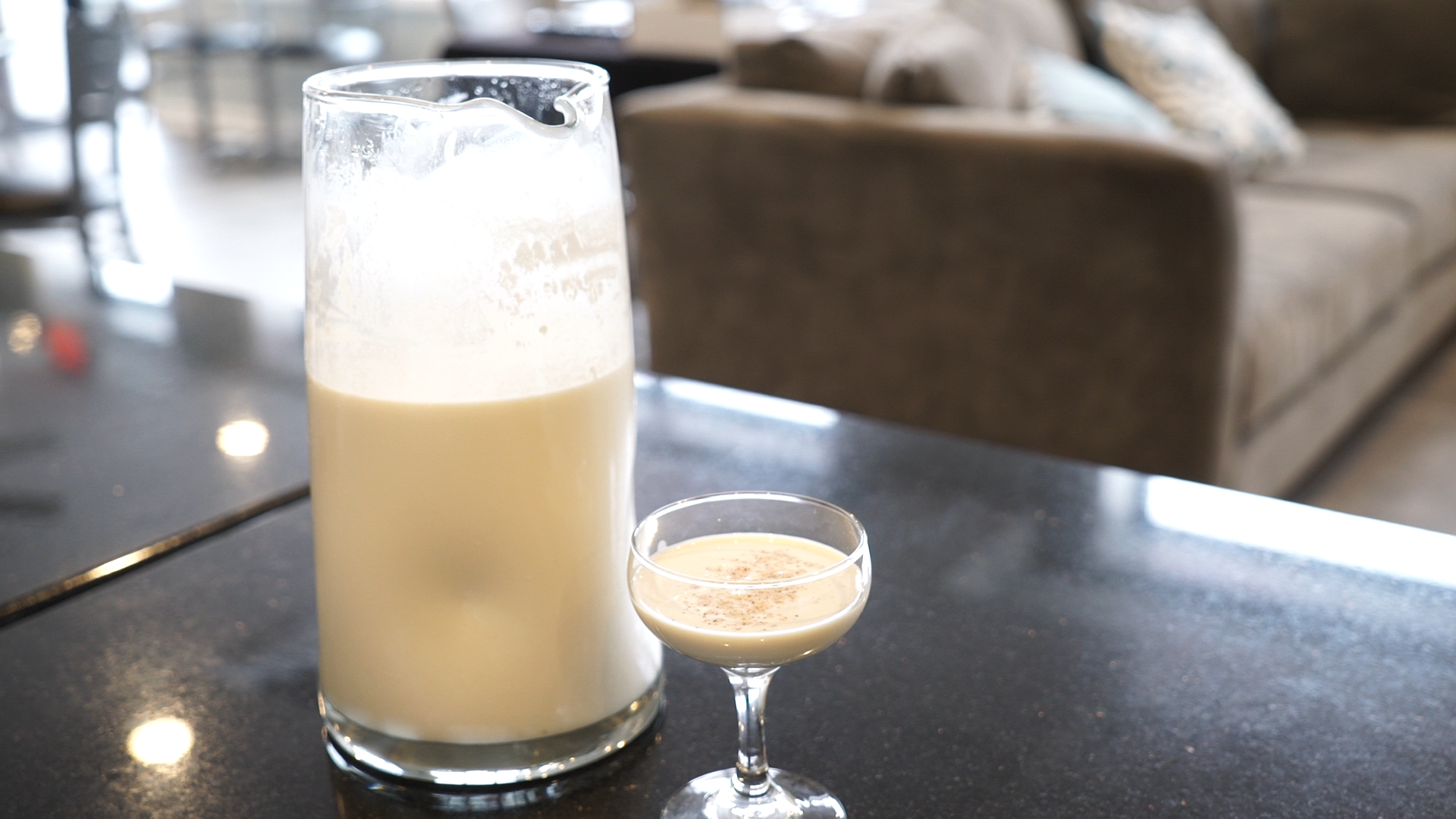
Most drinkers would describe eggnog as rich in flavor and creamy in texture. This makes sense, as it's essentially composed of the same ingredients as ice cream.
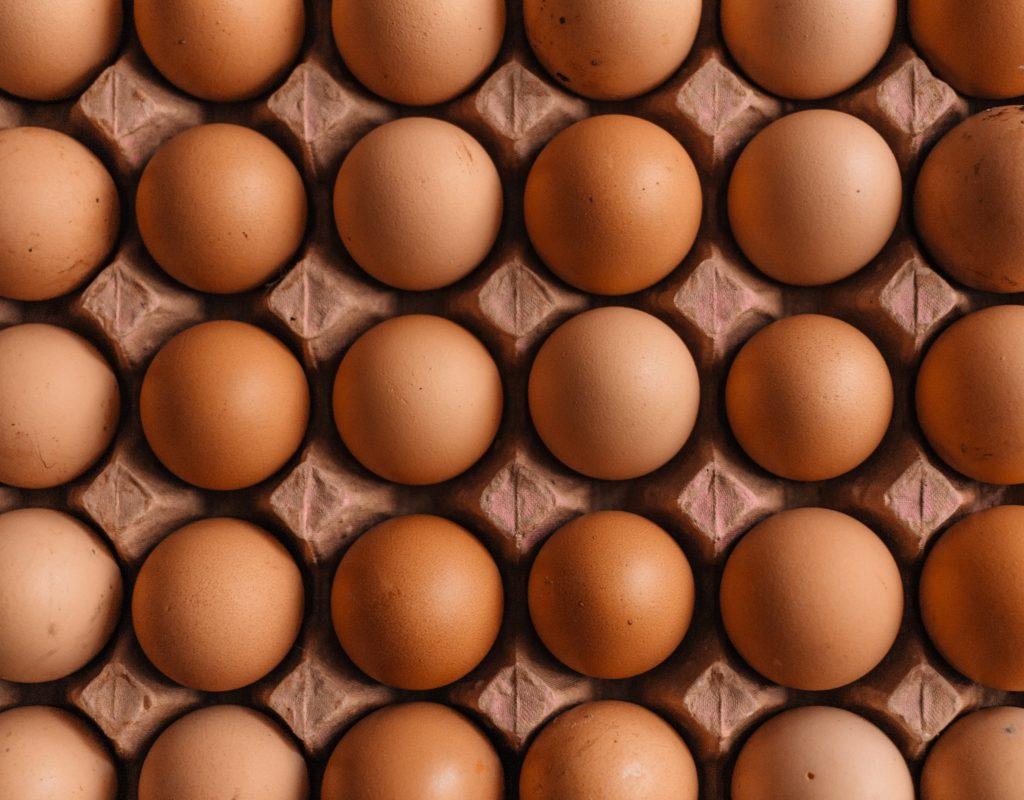
A traditional homemade eggnog is made of milk or cream, sugar, and raw eggs. Numerous recipes also incorporate spices and flavorings such as vanilla, cinnamon, nutmeg, and cloves. Of course, many drinkers prefer to forego the homemade recipe and opt for the numerous commercial options available at their local grocery store, offering a shelf-stable recipe that delivers the same taste.
This delightful mix can be served hot or cold in glasses, mugs, brandy snifters, or punch bowls. It's also a common practice amongst adult consumers to add their preferred alcoholic spirits, making it a popular holiday cocktail. Of course, it also doesn't hurt to add a little whipped cream, a cinnamon stick, or chocolate shavings to top off this delightful drink.
Where Did Eggnog Originate?
While culinary historians debate its exact lineage, most agree that eggnog originated from the early medieval British drink "posset," which was made with hot milk. This beverage was then curdled with wine or ale and flavored with spices. In the Middle Ages, posset was used to aid cold and flu symptoms.
Later during this period, eggs were added to some recipes, causing the drink to evolve into what we now recognize as "eggnog." The first known use of the word "nog" was recorded in 1693; however, the drink was also referred to as an "Egg Flip," which describes the practice of combining the mixture by "flipping" it between two pitchers.
At one point in history, the drink became exclusive among British aristocracy, who could afford the milk, eggs, and expensive spirits — usually brandy, wine, or sherry — required to make it. By the time the recipe finally made its way across the Atlantic to colonial America, it had become very popular thanks to the widespread availability of eggs, milk, and cheap spirits. Caribbean rum and homemade moonshine were often used as substitutes for brandy and wine, which were heavily taxed.
Eggnog became especially popular around Christmastime due to its warm temperature and the addition of winter flavors. Eggnog was eventually tied to the holidays when it was adopted as a recipe for special occasions in the United States during the 1700s — even our first President, General George Washington, had his own eggnog recipe! Served warm, the addition of winter flavors and spirits made this beverage the perfect winter treat. Today, eggnog remains a traditional, festive drink enjoyed by consumers all over the world.
How Does Eggnog Change What the World is Drinking?
In addition to being a delicious seasonal treat, eggnog has continued to be innovated by beverage developers and drink brands worldwide. Today, numerous dairy-free eggnogs are available on the market, made with flavor substitutes and other ingredients such as coconut, soy, or almond milks. Eggnog-flavored creamers, powders, and syrups also make a great addition to everything from coffee to milkshakes. Thanks to all this innovation, eggnog has evolved into a category all its own — with options to suit a variety of tastes. However you choose to enjoy your eggnog, this delicious beverage makes a wonderful treat for any holiday celebration. Cheers!
If you've got an innovative idea for the next take on eggnog, Flavorman can help you bring it to life! Get started by filling out this webform or by giving us a call at (502) 273-5214.